The Importance of Branding for Business Success

.avif)
.png)
.png)

.png)
.png)
.svg)
The importance of branding is something every business owner needs to understand before they can grow. Your brand is not just a logo. It is the entire experience customers have with your business, from the first impression to the fifth purchase.
Does your business stand out in a crowded market? Are customers remembering you after the first interaction? Is your messaging building trust, or is it falling flat? These are the questions branding answers.
This guide covers everything: what branding is, why it matters more than ever in 2026, and how to build one that drives real, compounding growth.
Quick Answer — What is the importance of branding?
- Definition: Branding is the process of creating a distinct identity, image, and perception for a business in customers' minds.
- Core benefit: Builds customer trust, recognition, and long-term brand loyalty.
- Revenue impact: Consistent branding adds 10–20% more revenue growth, per Dash.app.
- Pricing power: Strong brands command 10–20% price premiums over lesser-known competitors, per Capital One Shopping.
- Trust signal: 81% of consumers must trust a brand before making a purchase, per Wearetenet.
Key Stats
- 81% of consumers must trust a brand before purchasing — Wearetenet
- 77% of consumers make purchases based on brand name alone — DesignRush
- 60% of companies with consistent branding reported 10–20% higher revenue growth — Dash.app
- 2.5x more revenue generated by brand-loyal customers vs. new customers — Statista
Brand Building Roadmap:
- Define your brand mission, vision, and core values.
- Identify your target audience and research competitors.
- Develop a unique value proposition that sets you apart.
- Create a consistent visual brand identity (logo, colors, typography).
- Build brand voice and messaging guidelines.
- Apply your brand consistently across all channels and touchpoints.
- Measure brand equity and refine your strategy over time.
What Is Branding and Why Is It Important?
Branding is the process of creating a unique identity, image, and perception for a business in the minds of customers. The importance of branding lies in its ability to build trust, recognition, and long-term customer loyalty.
Definition: Branding is the strategic process of shaping how your business is perceived, remembered, and preferred — going far beyond logos and colors to include values, voice, and the full customer experience.
Most people confuse branding with marketing. Marketing is what you do to reach customers. Branding is what you are when they get there. Both matter, but branding comes first.
Branding vs. Marketing — a quick comparison:
Your branding is your business's long-term asset. Marketing campaigns come and go. A well-built brand compounds in value every year.
The importance of branding scales with your ambition. A startup uses it to establish credibility fast. An established company uses it to stay relevant and retain customers.
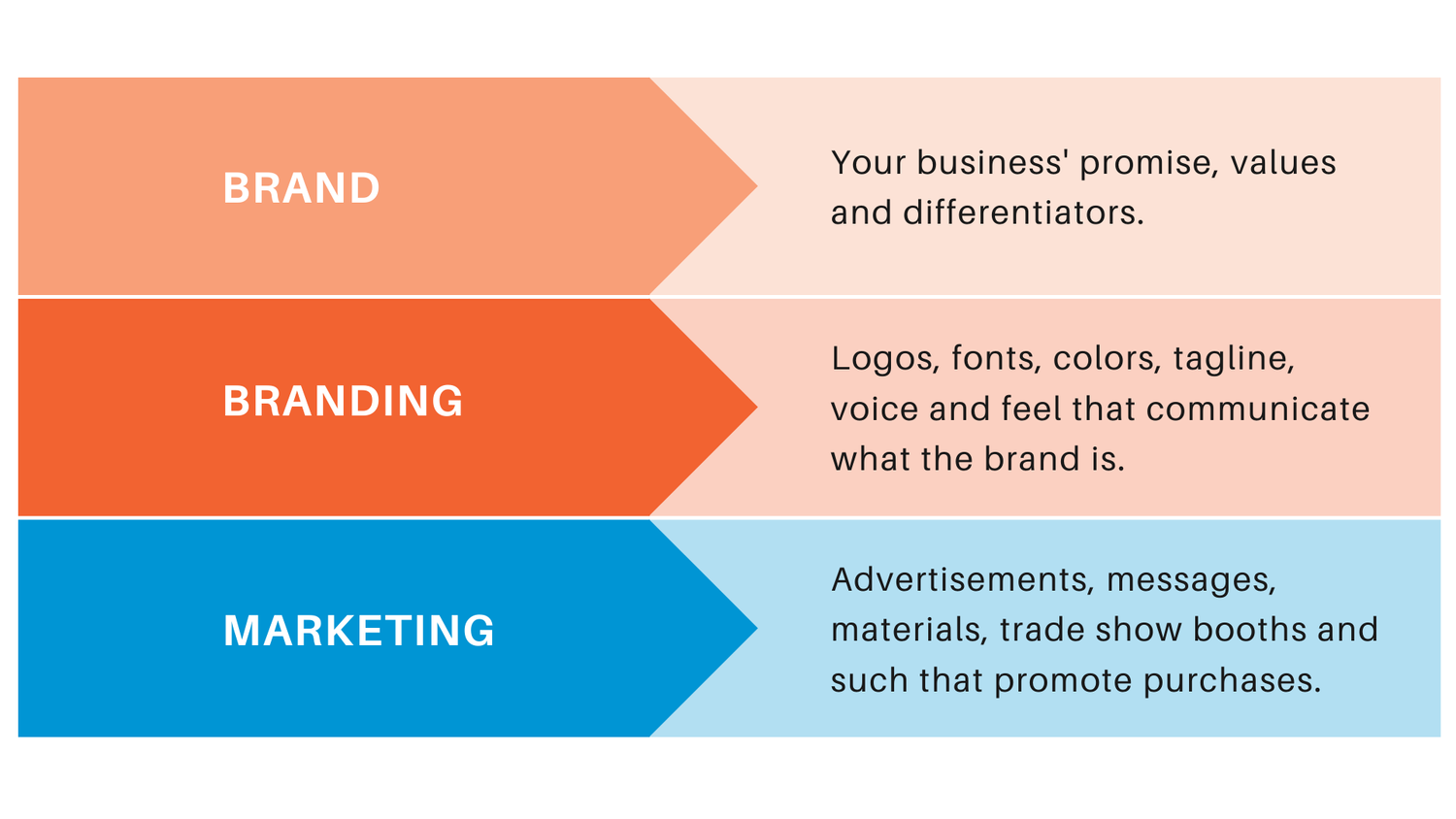
Bottom line: Branding is the foundation. Marketing is the amplifier. You need both, but branding always comes first.
The Importance of Branding in 2026
The importance of branding has never been higher. Markets are more competitive, customer attention spans are shorter, and the cost of being forgettable is higher than ever.
Here is what is driving that shift:
Growing Competition Across Industries
Every industry has more players today than it did five years ago. Digital tools have lowered barriers to entry, meaning your competitor can launch overnight. In this environment, brand recognition becomes a survival tool, not just a marketing luxury.
Consumer Preference for Recognizable Brands
77% of consumers make purchases based on brand name alone, according to DesignRush. Familiarity is a shortcut for trust, and trust drives sales. If customers do not recognize you, they default to who they already know.
Digital-First Customer Journeys
Your customers meet your brand on social media, Google, review platforms, and your website — all before speaking to anyone on your team. Every touchpoint needs to communicate a consistent brand identity or you lose the sale before it starts.
Trust as the New Currency in Online Purchasing
81% of consumers say they need to trust a brand before making a purchase, per Wearetenet. In online markets where customers cannot touch or trial before buying, customer trust is built entirely through consistent branding signals.
Social Media's Role in Shaping Brand Reputation
Social media has given brands both a megaphone and a microscope. Your brand reputation can be built through a single viral moment or damaged by one poorly handled complaint. A strong brand with clear values weathers this volatility far better than a faceless business.
How Strong Branding Drives Sustainable Growth
60% of companies with consistent branding reported 10–20% higher revenue growth, according to Dash.app. Strong brands reduce customer acquisition costs, improve retention, and make every marketing dollar work harder.
Watch: Why Branding Matters NOW More Than Ever
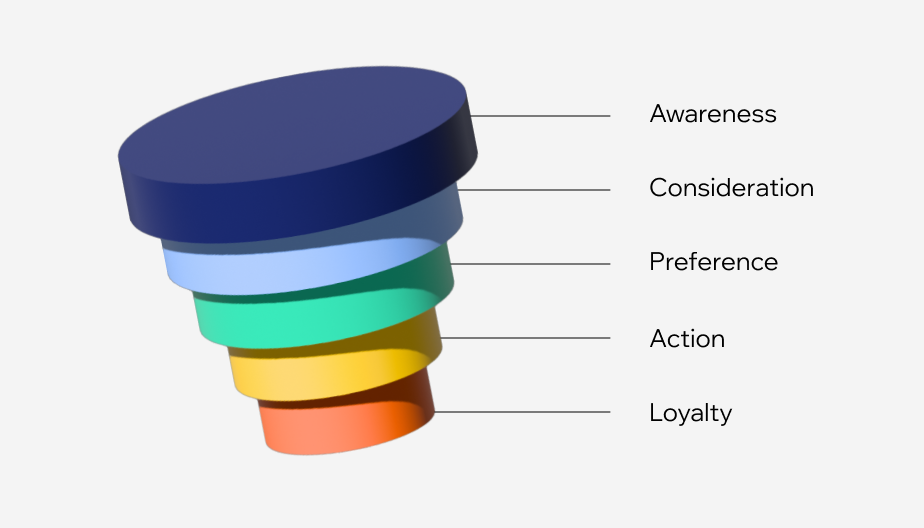
How Branding Builds Brand Awareness and Recognition
Brand awareness is the degree to which your target audience knows your business exists. Brand recognition goes one step further: customers can identify your brand from a logo, color, tagline, or sound without seeing your name.
Both matter for growth, but they serve different goals. Brand awareness gets you into consideration. Brand recognition makes customers choose you reflexively, without comparing alternatives.
How Consistent Branding Improves Visibility
Consistency is the engine behind recognition. When your logo, colors, typography, and messaging stay the same across every touchpoint, your brand becomes predictable in the best possible way. Customers start to associate specific visual cues with your product or promise.
The Role of Visual Identity Elements
Your visual brand identity includes your logo, color palette, typography, and design system. These are not decorative choices. They are memory triggers. Research suggests color alone can increase brand recognition by up to 80%, per Color Psychology research.
Logos, taglines, and visual design create instant signals that reduce the cognitive effort required to choose you.
Why Customers Remember Familiar Brands
Human brains are wired to reduce cognitive effort. Familiar brands feel safe. When someone needs what you sell, you want your brand to be the first name that surfaces in their mind.
Strong examples: Apple's minimalist design language, Coca-Cola's red color, Nike's "Just Do It" tagline. Each is a shorthand for an entire brand promise. Your brand can build the same shorthand over time.
Branding Helps Build Customer Trust and Credibility
Customer trust is the single most important driver of purchasing decisions, and it is built through branding before it is ever earned through experience.
When a customer lands on your website for the first time, they do not know you. They are reading your design, your copy, and your visual identity to decide if you are worth their time. That first impression is entirely a branding function.
Consistent Branding Creates Reliability
Reliability is a trust signal. When your brand looks and sounds the same across your website, emails, social media, and packaging, it communicates stability and professionalism.
Brand reputation is the aggregate of these trust signals over time. A business that changes its logo every year or shifts its tone constantly is one that customers struggle to trust.
Professional Branding Improves Credibility
Customers judge books by their covers. A polished brand identity communicates that you take your business seriously, and by extension, that you will take your customer's investment seriously too. This is why even small businesses benefit from professional branding from day one.
Authentic Messaging Builds Deeper Trust
88% of customers say authenticity is important in a brand's messaging when making purchasing decisions, according to Shapo's branding statistics. You do not just need to look professional. You need to sound genuine.
Authentic brand messaging means your values, tone, and promises stay consistent across every channel, not just your homepage.
Branding Reduces Purchase Uncertainty
When customers are on the fence about buying, a strong brand tips the decision in your favor. Brand recognition reduces perceived risk. If they already know your name, they are far less likely to seek a cheaper alternative.
Branding Creates a Competitive Advantage
Your product alone is not enough to win. Competitive advantage in modern markets comes from perception, not just performance.
Your branding communicates your unique value before a customer ever uses your product. It answers "why you and not them" in a single visual and verbal impression.
Emotional vs. Functional Differentiation
Functional differentiation means your product does something competitors cannot. Emotional differentiation means customers feel something about your brand that competitors cannot replicate.
Brand equity lives mostly in emotional differentiation. Patagonia's environmental stance and Harley-Davidson's community identity are not product features. Both drive fierce brand loyalty that no competitor can simply copy.
Building a Memorable Market Position
Brand positioning means owning a specific idea in your customers' minds. Volvo owns "safety." FedEx owns "overnight." When you position your brand around one idea your target audience deeply cares about, you become the default choice in that category.
For B2B companies especially, clear brand positioning shortens sales cycles significantly. See how this plays out in Pixeto's guide to B2B website best practices.
Why Customers Choose One Brand Over Another
When product quality and price are similar, brand wins. 63% of consumers will buy from a brand they love without waiting for a sale, per Attentive's consumer trends report. That emotional pull is built through sustained, consistent branding.
Branding's Impact on Perceived Value
Strong brands command 10–20% price premiums over lesser-known competitors, according to Capital One Shopping. Your branding literally makes your product worth more in the customer's mind, directly expanding your margins.
Bottom line: Your brand is your most powerful competitive weapon. If you are not investing in it, your competitors are claiming that ground.
The Role of Branding in Customer Loyalty and Retention
Brand loyalty is what happens when customers stop comparing and start choosing you automatically. It is the output of consistent, positive brand experiences over time.
And it is enormously valuable. Brand-loyal customers are worth 2.5x more revenue than new customers, according to Statista. Acquiring a new customer costs 5 to 7 times more than keeping an existing one.
Emotional Connections Drive Long-Term Retention
94% of consumers say they recommend brands they feel emotionally connected with, per Wearetenet. Emotional connections are built through storytelling, values alignment, and consistent experience — all core branding functions.
Your brand identity shapes how customers feel about your business, not just what they think about it. That distinction is where long-term retention lives.
Community-Building Through Branding
The strongest brands create communities, not just customer bases. Apple's ecosystem, Lego's fan communities, and Nike's running clubs all turned customers into advocates.
If you are building toward this, start with clarity: what does your brand stand for, and who does it unite? For more on the digital experience side, Pixeto's guide on how to improve website user experience covers the touchpoints that reinforce brand loyalty at every visit.
Brand Advocacy and Word-of-Mouth Marketing
Brand loyalty converts naturally into referrals, which dramatically reduces your customer acquisition cost (CAC) over time. Loyal customers do your marketing for you.
65% of a company's revenue comes from repeat business with existing customers, per Capital One Shopping. Retention is not just a customer success metric. It is a branding metric.
Watch: Philip Kotler — The Importance of Branding
How Branding Influences Business Growth and Revenue
The importance of branding is not abstract. It shows up directly in your numbers.
A strong brand affects every stage of your revenue model. Here is how each impact plays out:
Lower Customer Acquisition Costs
Recognized brands convert paid ads and outreach at higher rates because familiarity reduces friction. When prospects already know your name, your cost per click and cost per lead both drop significantly.
Higher Retention Rates
Loyal customers churn less, making your revenue more stable and predictable. For subscription businesses, this means lower monthly churn and a stronger recurring revenue base to build on.
Premium Pricing Power
Customer trust and brand reputation allow you to charge more without losing customers to competitors. Customers pay for certainty, and your brand is what delivers that certainty before purchase.
Improved Conversion Rates
A consistent, professional brand identity reduces hesitation at the point of purchase. Customers convert more readily when the brand feels polished, credible, and familiar. For tactics that combine branding with conversion, see Pixeto's guide on how to improve your website conversion rate.
Investor and Partner Confidence
Strong branding accelerates fundraising and partnership conversations. Investors back brands, not just products. Your visual and verbal identity signals market readiness before a pitch deck is even opened.
As Philip Kotler, marketing professor at Northwestern University's Kellogg School, has argued: "Measuring brand equity and customer equity is just as important as measuring financial metrics." A brand is a balance-sheet asset, not just a design exercise.
Brand Metrics That Matter:
Original Insight: Branding as a CAC Reduction Lever
Most founders treat branding as a marketing cost. It is actually a customer acquisition cost (CAC) reduction mechanism. When your brand recognition is high, paid campaigns convert at lower cost per click because prospects already trust your name. A company with strong brand equity can achieve 20–35% lower CAC than a brand-unknown competitor targeting identical keywords. That compounding advantage is rarely captured in branding ROI discussions, but it is one of the most measurable.
When evaluating what a strong branding investment looks like in practice, consider how Pixeto helped SaaS companies like WhizAI and Sonara develop brand identities aligned with their product positioning — making growth-stage sales and investor conversations noticeably more efficient. See Pixeto's branding case studies for outcomes.
Key Elements of an Effective Branding Strategy
Building a strong brand requires more than a logo. Here are the core elements your brand positioning strategy must include:
Brand Mission and Vision
Your mission is what your business does today. Your vision is where it is heading. Together, they give your brand direction and make it easier for customers and employees to rally behind you.
Brand Values
Values are the principles your business will not compromise on. They shape your culture, your messaging, and the customers you attract. 88% of consumers say brand authenticity directly influences their purchasing decisions, per Shapo, so your values need to be genuine, not performed.
Brand Positioning
Brand positioning defines the specific space you occupy in your target audience's mind relative to competitors. Done well, it makes your marketing clearer and your sales conversations shorter.
Target Audience Identification
You cannot build a brand for everyone. The clearest brands serve a specific target audience and speak to their exact needs, fears, and aspirations. Specificity is a strength, not a limitation.
Brand Voice and Messaging
Your voice is how you sound. Your messaging is what you say. Both must stay consistent across every channel. Are you authoritative? Playful? Technical? Human? Define it, document it, and hold to it.
Visual Identity
Your visual brand identity includes your logo, color palette, typography, icons, and photography style. These are the most immediate signals customers receive about who you are. For a deep-dive, see Pixeto's brand identity design guide.
Brand Consistency Across Channels
Consistency is what transforms a collection of assets into a brand. Apply your visual and verbal identity the same way across your website, social media, email, and packaging. Inconsistency is invisible to you but immediately apparent to your customers.
Common Branding Mistakes Businesses Should Avoid
Even well-intentioned brands make these errors. Knowing them in advance saves years of lost momentum.
Inconsistent Branding
Using different logos, colors, or tones across platforms confuses customers and erodes customer trust over time.
Fix: Create a brand style guide and enforce it across all channels and team members.
Unclear Brand Messaging
If a customer reads your homepage and still cannot explain what you do in one sentence, your messaging is broken.
Fix: Write a single-sentence brand statement: "We help [target audience] achieve [outcome] through [method]."
Ignoring Customer Feedback
Your brand reputation is partly built by what customers say about you. If you are not listening, you are missing both threats and opportunities.
Fix: Monitor reviews, social mentions, and NPS scores regularly.
Copying Competitors
Mimicking a competitor's brand might feel safe, but it destroys your competitive advantage. You become a cheaper imitation, not a preferred choice.
Fix: Study competitors to understand the space, then differentiate deliberately and specifically.
Neglecting Brand Reputation Management
One unaddressed crisis can undo years of brand equity building. Reputation management is not optional.
Fix: Have a clear response protocol for negative press, reviews, and social incidents before you need it.
Frequent Identity Changes
Changing your brand identity too often resets the recognition you have built. Every redesign restarts the familiarity clock.
Fix: Evolve your identity strategically. Do not abandon it reactively.
How to Build a Strong Brand From Scratch
If you are starting from zero, here is your step-by-step process:
- Define your target audience. Build a detailed profile: demographics, goals, pain points, and preferred channels. The more specific, the better your brand will resonate.
- Conduct market and competitor research. Understand what the strongest brands in your space are doing, and more importantly, what they are missing. Find your differentiating gap.
- Create a unique value proposition. In one or two sentences, articulate what makes your business different and why that difference matters to your target audience.
- Develop visual brand assets. Logo, color palette, typography, icon set, and photography direction. Work with a professional designer or agency if your budget allows.
- Establish brand guidelines. Document how your visual and verbal identity should be used. This prevents inconsistency as your team and channels scale.
- Create consistent messaging. Write your brand story, key messages, and tone of voice guide. Apply it to your website, social profiles, and all customer-facing communications.
- Measure and refine. Track brand awareness, brand reputation scores, and customer feedback regularly. Branding is never finished. It evolves as your business does.
You might also explore how sonic branding can add a dimension to your brand identity beyond visuals — an angle most competitors overlook entirely.
Final Verdict: Why Branding Is Essential for Long-Term Business Success
The importance of branding goes far beyond logos and visual design. A strong brand helps businesses build trust, attract loyal customers, differentiate from competitors, and drive sustainable growth.
Here is why every business — from solo founders to enterprise teams — needs a serious branding strategy:
- Visibility: A strong brand makes you findable and recognizable in a crowded market.
- Trust: Consistent brand identity signals reliability before a customer ever speaks to you.
- Loyalty: Emotional connections built through branding turn customers into long-term advocates.
- Revenue: Strong brands command price premiums, reduce CAC, and drive repeat purchases.
- Resilience: Brands with high brand equity recover faster from market shifts and competitive pressure.
The businesses that invest in branding early are the ones that build compounding advantages over time. Every investment in clarity, consistency, and authenticity pays back multiple times over as your market gets noisier.
Key Takeaways
- The importance of branding lies in its ability to build customer trust, recognition, and brand loyalty simultaneously.
- 81% of consumers need to trust a brand before purchasing, making brand reputation a direct revenue driver.
- Consistent branding can add 10–20% to revenue growth, per Dash.app.
- Brand-loyal customers are worth 2.5x more revenue than new customers, per Statista.
- Strong brands command 10–20% price premiums over lesser-known competitors.
- Brand equity is a long-term business asset that compounds in value over time.
- Effective branding requires a clear mission, consistent visual brand identity, authentic messaging, and a well-defined target audience.
Frequently Asked Questions
Why is branding important for a business?
Branding gives your business a distinct identity that builds customer trust, recognition, and brand loyalty. It helps you stand out in a competitive market, command better prices, and retain customers longer. Without strong branding, even a great product struggles to convert buyers in markets where options are abundant.
What are the main benefits of branding?
The main benefits include increased brand recognition, stronger customer trust, a clear competitive advantage, higher customer retention, and premium pricing power. Consistent branding also lowers CAC over time, because customers who already recognize your brand convert more efficiently through paid and organic channels.
How does branding help build customer trust?
Consistent branding creates reliability. When your visual identity, messaging, and customer experience stay aligned, customers perceive your business as stable and professional. 81% of consumers say trust is required before they purchase, per Wearetenet, and brand reputation built through consistency is the primary mechanism for earning it.
What is the difference between branding and marketing?
Branding is who you are: your identity, values, voice, and the perception you create. Marketing is how you communicate that identity to attract customers. Branding is foundational and long-term. Marketing is tactical and campaign-based. Strong marketing built on weak branding will consistently underperform because there is nothing memorable behind the message.
How does branding influence customer purchasing decisions?
Branding reduces decision-making friction. Familiar brands feel safe, which shortens the buyer's journey. 77% of consumers make purchases based on brand name alone, per DesignRush. Strong brand identity and consistent messaging reduce perceived risk, making customers more likely to choose you even at a higher price.
Can small businesses benefit from branding?
Absolutely. Small businesses benefit even more from strong branding because they often cannot compete on price or scale. A clear, professional brand identity levels the playing field against larger competitors and builds customer trust faster. Customers are also more likely to recommend businesses with a clear, memorable brand.
What are the key elements of a successful branding strategy?
A successful strategy includes a defined mission and vision, clear brand values, a specific target audience, a unique value proposition, a consistent visual identity, a documented brand voice, and cross-channel consistency. Brand positioning that clearly differentiates you from competitors is the strategic core of everything else.
How does branding contribute to business growth?
Strong branding drives growth by reducing CAC, increasing customer retention, and enabling premium pricing. Together, these effects produce stronger margins, better unit economics, and faster compounding growth. 76% of marketers increased branding budgets in 2025–2026, per Wearetenet, reflecting this direct business impact.
What happens if a business has weak branding?
Weak branding results in low recognition, poor customer trust, and commoditized competition. Your business becomes harder to differentiate, forcing you to compete on price. Marketing spend delivers lower returns because there is no brand to anchor the message. Customer retention suffers as there is no emotional connection driving repeat purchases.
How long does it take to build a strong brand?
Building a recognizable brand typically takes two to five years of consistent effort, though early trust and recognition improvements can appear within six to twelve months. Brand equity accumulates through consistent messaging, positive experiences, and sustained visibility. Frequent rebranding or inconsistent messaging resets the clock.
How does branding improve customer loyalty?
Branding creates emotional connections that go beyond product utility. When customers feel aligned with your values and consistently have positive brand experiences, they stop comparing alternatives and start advocating for you. 94% of consumers recommend brands they feel emotionally connected with, per Wearetenet.
What is brand equity and why is it important?
Brand equity is the added value your brand name brings to your products, beyond their functional worth. High brand equity means customers prefer you, pay more for you, and forgive mistakes faster. It is a long-term business asset that improves valuation, reduces CAC, and creates pricing power that commodity competitors cannot access.



.svg)

